We have seen it all, how the grandmother kept two sets of dining plates in her kitchen. One was the everyday set, chipped at the edges from years of Sunday lunches. The other lived in the top shelf of the cupboard, brought down only when guests came over. As a kid, I never understood why a plate needed an occasion. Food was food. It was only years later, setting my own table for the first time, that I realized what she already knew.
“A plate is not just a tableware accent, its something more. Its shape, depth, and rim decide how a dish looks, how it tastes, and how long a meal lingers at the table. it’s not a fluff.”
That realization changed how I shop for ceramic dining sets. A deep bowl-shaped plate holds a curry differently than a flat one. A wide-rimmed platter makes a simple roast look like the centerpiece it deserves to be. Once you start paying attention, you notice that every well-set table is really a collection of small design decisions, each one shaped by function as much as beauty.
This guide walks through the different plate shapes worth knowing, why they exist, and how to bring them together into a ceramic dinnerware set that actually works for the way you eat.
Why Does Plate Shape Matter for Dining Plates?

A plate's shape controls three things: portion size, how sauces and food stay contained, and how the meal looks when it reaches the table.
You see, a shallow rim plate suits dry foods like grilled vegetables or a stack of paranthas. A deeper plate holds gravies without spilling over the edge. Restaurants have known this for decades, which is why fine dining rarely uses one universal plate. At home, the same logic applies. A thoughtfully chosen ceramic plate does half the styling work before the food even touches it.
“But do they have actually a kind or its just a makeshift based on observations and conclusions of chaos?”
So, on that note, let’s take the blog ahead and understand the different plates and the impact they lay on different meals.
What Makes Pasta Plates Different, and Why Do They Have That Shape?

Pasta ceramic plates look like a cross between a plate and a bowl, and that is intentional. The wide, shallow well is designed to twirl noodles against the sloped inner rim, while the raised edge keeps sauce from running off the sides. A flat dinner plate lets sauce pool in the centre and spread thin. A pasta plate keeps it concentrated where the food is, so every bite gets the right amount of sauce.
This is also why pasta ceramic plate sets are heavier and slightly wider than a standard plate. The extra surface area gives you room to twirl a fork without food sliding off the edge.
Here is an anatomy of pasta dining plates and the reason behind their coupe structure:
a) Rim- The raised outer border of the plate; keeps food contained and gives you a clean space to hold without touching the food area
b) Marli- The flat or slightly sloped band between the rim and the food surface, often where decorative patterns or brand detailing sit
c) Well (or centre) – The flat central area where food actually sits; wider wells suit dry food, deeper wells hold gravies and sauces better
d) Base – The flat underside; usually unglazed on ceramic plates so it doesn't stick or scratch surfaces
e) Diameter and depth – Together these determine portion size and whether the plate is suited for dry mains, curries, or starters
f) Glaze and finish – The coating on top that affects texture, shine, heat retention, and how easily the plate wipes clean.
What Does The Dinner Plate Set Includes?

Quarter Plates-
Quarter plates are the smaller cousins in a dining set, usually a fourth the size of a standard dinner plate. They are meant for starters, sides, bread, or dessert, dishes that do not need a full plate but still need their own space. Using a quarter plate for these smaller portions also helps with portion control at the table, since it naturally limits how much food gets served at once.
Dinner Plates-
When picking a dinner plate, think about what you eat most often. Rice and curry households usually need something with a slight rim and depth. Households that eat more dry, plated meals can lean toward flatter designs. Matching plate depth to your everyday cooking style saves you from reaching for the wrong dish every night.
How to Build a Complete Dinnerware Set?

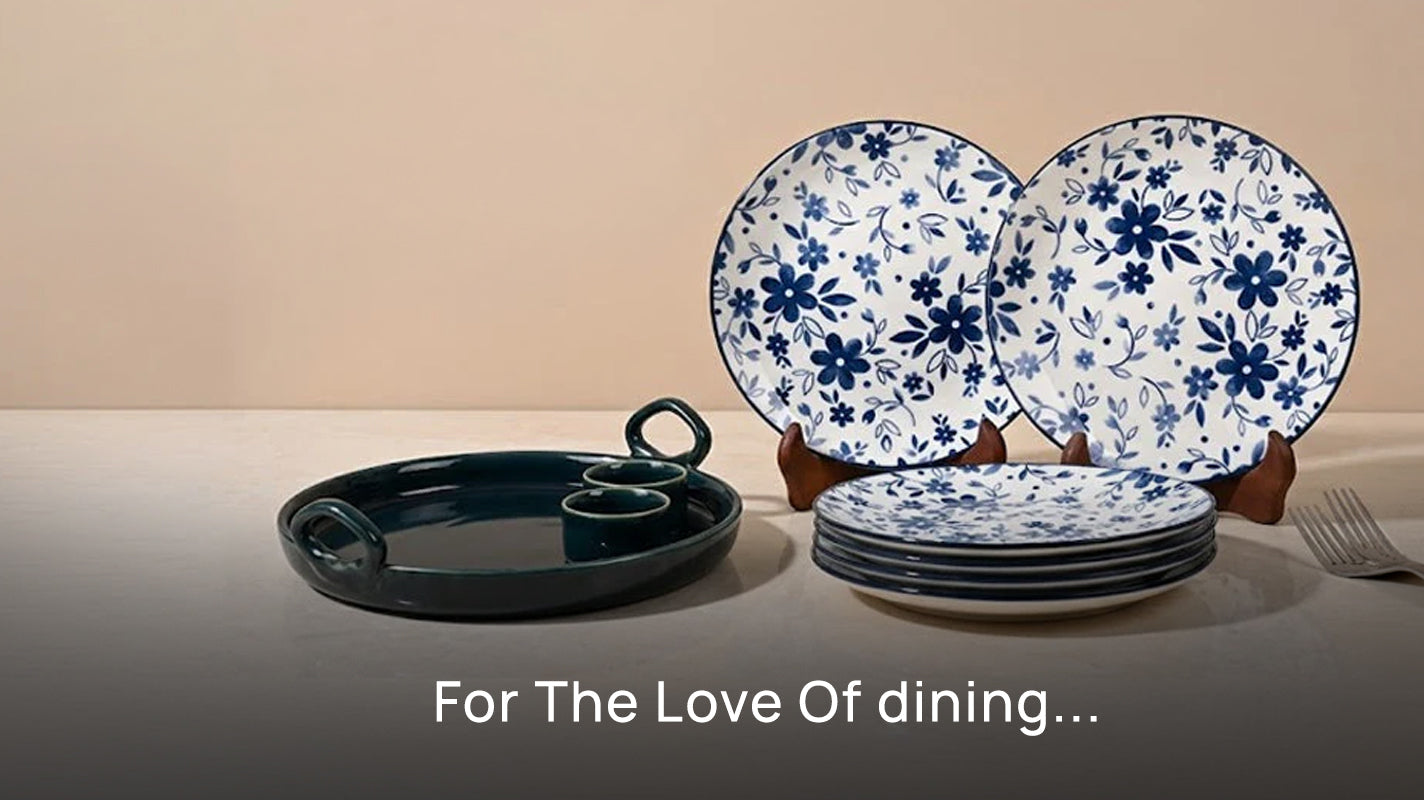
A good ceramic dinnerware set brings dinner plates, quarter plates, ceramic bowls, and a platter or two together in one cohesive look, often finished with a matching cutlery set and a bowls set for everyday use. The goal is not to buy every shape available. It is to buy the shapes you will actually use, so your table feels put together without feeling over-planned.
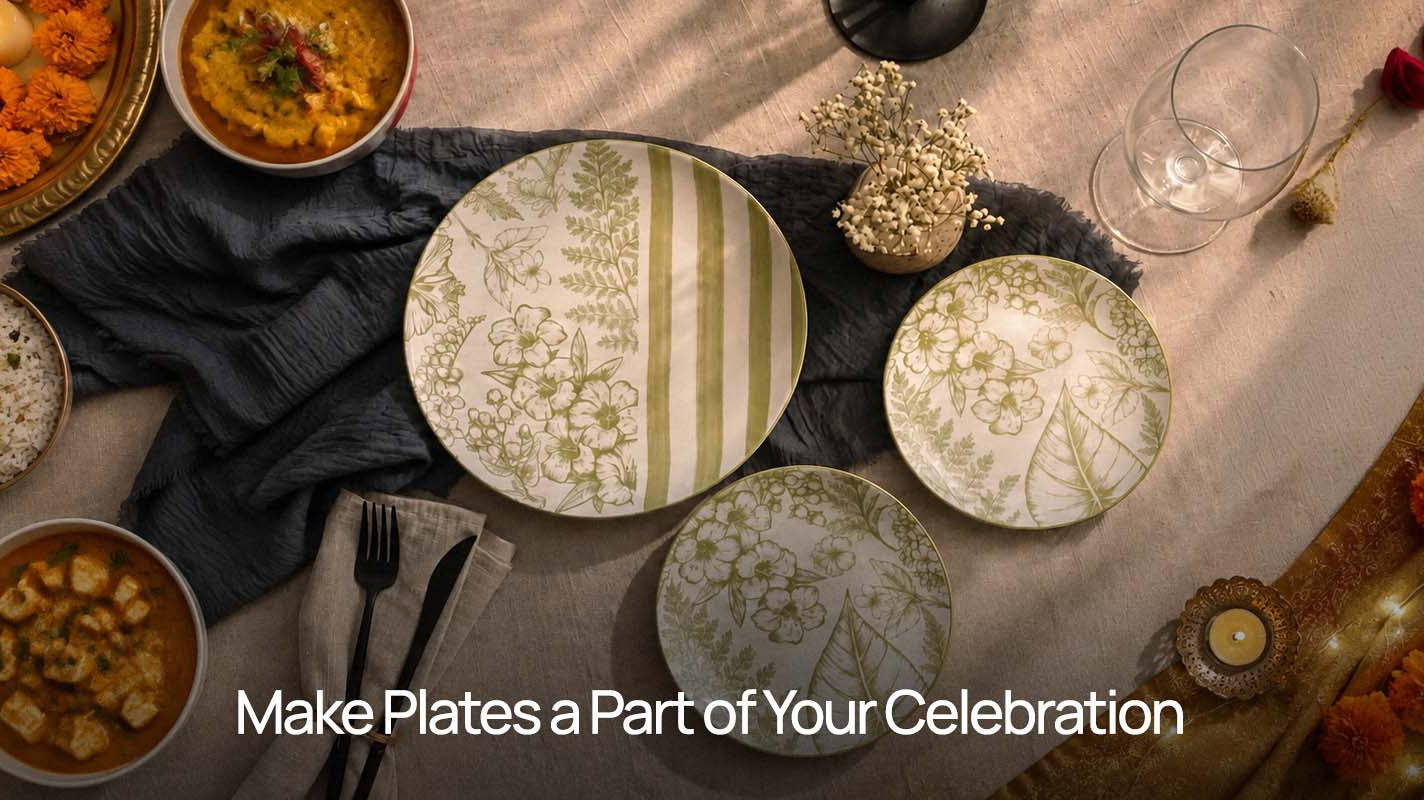
To elevate the beauty, you can mix and match porcelain dinner plates too. Like Dahlia’s feminine touch and hazel’s rustic texture or Amoret’s summer aesthetics with Bluebell’s heritage-themed cameo.
Final Note
From the twirl of a pasta plate to the wide, breathing space of a platter, the shape of a plate is never just a design choice. It's a canvas where each stroke matters.
The dining sets decides how sauce blends in with the surface without creating a mess, how portions feel, and how a dish is finally presented at the table. Whether it's a quarter plate for your morning bread, a deep dinner plate for a hearty curry, or a 2-tier platter for a weekend spread, every shape has a job to do, and doing it well is what makes a meal feel complete.
At Kairaus, we design our ceramic plates, bowl sets, platters, and luxury dinnerware sets with exactly this in mind: shapes that work as beautifully as they look, for everyday dinners and special ones alike.
Explore the Kairaus dinnerware collection now.
Frequently Asked Questions:
Why are pasta plates shaped differently from regular dinner plates?
The wide, shallow well with a sloped rim lets you twirl noodles easily while keeping sauce concentrated near the pasta instead of spreading thin.
What is the difference between a quarter plate and a dinner plate?
A quarter plate is about a fourth the size of a dinner plate, meant for sides, starters, or dessert, not a full main course.
Can a platter be used as a regular serving plate?
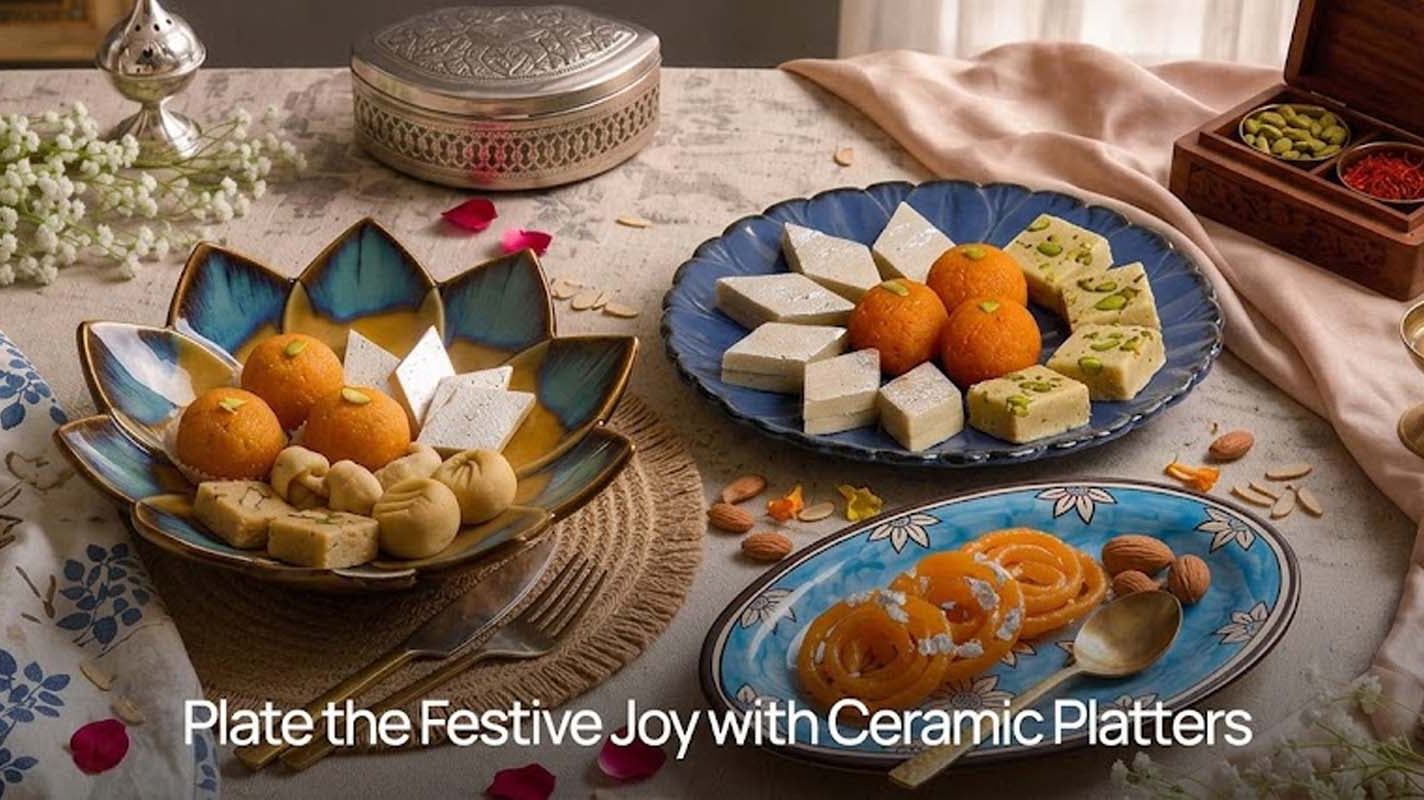
Yes, but its wide, oval or rectangular shape is built to give food room to spread out, suiting roasts, fish, or spreads better.
When should a 2-tier platter be used instead of a regular one?
When you need more serving variety without extra table space, like for high tea, mezze, or dessert spreads with limited surface room.
How should someone choose the right dinner plate depth for their meals?
Gravy and curry meals need deeper plates to hold sauce without spilling, while dry, plated meals work better with flatter, shallower plates.
Where can I find the ceramic dinner sets?
You can find the artisanal dinner plate sets with strength and timeless beauty at luxury tableware brand- Kairaus.