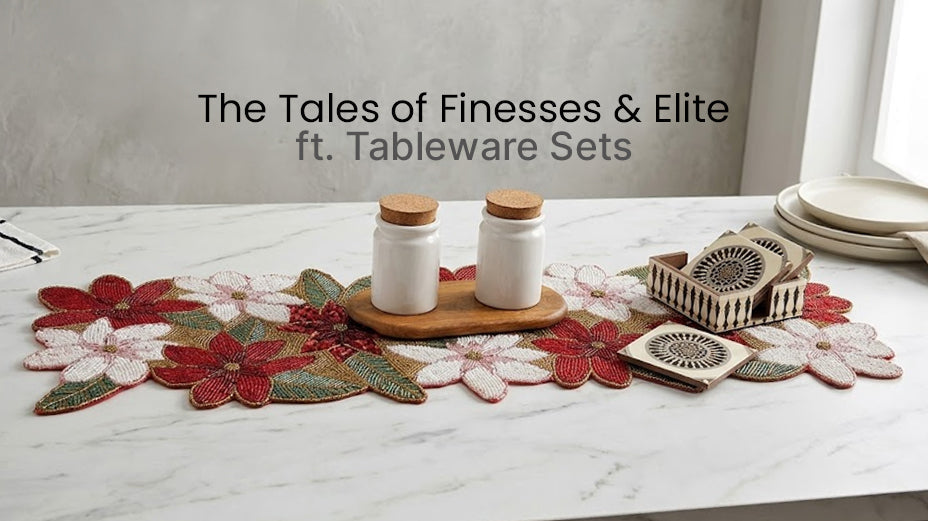
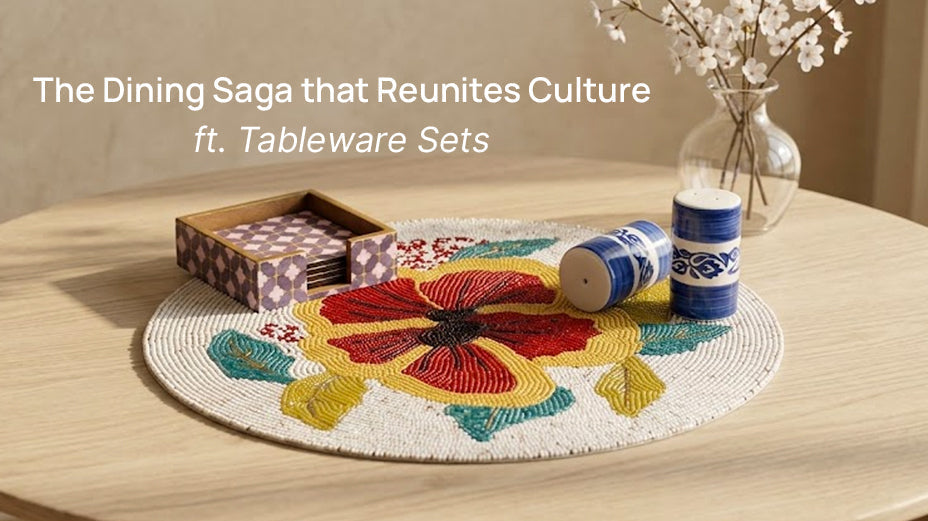
Let’s keep it sorted, elegance and etiquette never go out of fashion. Neither is the elegance confined to those crystal glasses and vintage craftsmanship, nor are the etiquette limits to anything. Refined indulgence is often embraced silently into the subtleties. The way a linen is placed, the kinder clink of serveware, the aroma of freshly plated food, and even the humble presence of tissue holders on the table; everything matters.
What was once just considered a necessity has now found a niche, and designers are creating a flourishing category of Wooden Tissue Holder. This shift was necessary to push people to keep this basic thing on the list. Along with being the saviour of our messy moments, they also serve as a style statement in our dining space. They are the silent heroes of Tableware and essential companions in creating a fine-dining moment, ensuring every dining experience feels thoughtfully curated and unchaotic.
But wait! Even getting a unique tissue holder is nothing if we don’t know how to function around it, if we don’t know about tissue etiquette. This includes- how tissues should be used, placed, folded, or handled. Understanding this overlooked aspect can instantly beautify your hosting finesse and dining presence.
So what is the wait for? Let’s explore the contribution and beauty of these underdogs of dining and get one step closer to perfection.
Gentle Reminder- At dining, don’t just eat. ATE IT.
Significance of Tissues and Stylish Tissue Holders

Tissues and napkins have not always been as we know them today. Their story winds through centuries of igniting sophistication, symbolism, and artistry. And the fact is, they aren’t a new trend or experiment, but an accent approved by history.
In ancient Greece, before tissues or napkins existed, guests used small pieces of dough called apomagdalia to wipe or dry their hands. It was a simple ritual that indicated the beginning of this thoughtful dining practice. Similarly, the Romans, known for their royal feasts, introduced the mappa, a personal cloth carried by guests to safeguard garments and wrap leftover food. Even then, the concept of personal cleanliness during meals was deeply cherished and followed. This further marked the beginning of formal napkins.
The rise of formal napkins:
By the Middle Ages, banquets used long communal tablecloths, with guests wiping their hands wherever convenient. But in the Renaissance, finally, the wealthy began presenting individual napkins as symbols of class, civic sense, and cultured living. This gave rise to intricate folds, monogrammed cloths, and stylish tissue holders.
Modern Dining and The Birth of Unique Tissue Holders

In the era where dining philosophies romanticise minimalism and pure functionality, tissue holders have held a zeal to bring back colours and royalty. Now, they are no longer functional; they have become essential decor pieces. They contribute to the table’s story.
Now you don’t have to book a guilt trip for mismatching tissue holders with your fine dining set-up. With a variety of them available, you just have to visualise how you want it. Here are some examples based on our customer stories.
1. Choose a ceramic tissue holder to complement a minimalistic dining set-up.
2. A unique tissue holder with vibrant shades to infuse personality and charm.
3. Marble or wooden holders blend seamlessly with luxury tableware, adding sophistication.
You see, just as candles or floral decor enhance ambience, tissue holders all uplift the vibe with quiet confidence
What Are Tissue Etiquette and Why Are They Important

Tissue etiquette or manners means the refined way one handles napkins and tissues during a meal. You might have the most exquisite and premium tableware, but splits, mess, chaos, and spills are so human. Improper tissue use can disrupt the harmony of the dining experience.
Good etiquette includes:
- Cleanliness
- Respect for the host and fellow diners
- Graceful interactions
- A consistently elegant dining environment
As tissues become an integral part of luxury tableware arrangements, proper etiquette ensures they serve more than a function. They contribute to the overall rhythm of dining.
Now is the time to discover the five rules of tissue etiquette every modern diner must know.
Rule 1: PERFECT PLACEMENT
The First Gesture of Elegance
Your interaction with a napkin or tissue begins the moment you take your seat.
a) Upon Seating:
- If seated, calmly keep the napkin on your lap. If it's a formal gathering, always wait for the host to do so first.
- A gently placed tissue holder on the table often signals the start of the dining ritual.
b) Unfolding:
- Larger napkins should be unfolded just once, forming a neat rectangle with the fold toward you.
- Smaller paper napkins or tissues can be fully unfolded.
- Never flick, flap, or dramatically snap open a napkin. It shatters the elegance of the moment.
c) During the Meal:
- Use the inside of the napkin to blot, not wipe, your mouth to preserve hygiene and avoid lipstick smudge on the glassware. It might disrupt the flow of the dining set-up or be awkward for the host.
Rule 2: GRACEFUL PAUSES
The Second Gesture of Calmness
If you have to temporarily excuse yourself to take a call or freshen up, here’s how you can do it:
- Lightly fold your napkin (not too neatly)
- Place it on your chair, not on the table, to indicate you will return.
This will work excellently in building a great impression in corporate or formal settings.
Rule 3: CLOSING THE MEAL
The Third Gesture of Completion
When the meal is ended, your actions should subtly signal closure. However, this is not important to follow in informal gatherings.
- Place your used tissue or napkin on the left side of your plate
- Do not refold it neatly; you can leave it loosely gathered
- Conceal the soiled areas
- Never, ever place your tissue on your plate
This gesture respects the table setup and helps the staff or host in efficient clearing.
Rule 4: HANDLING PERSONAL NEED
The Fourth Gesture of Class
a) Nose-Blowing Manners:
- Excuse yourself and step away from the table. This is non-negotiable.
b) Quick Use of Tissues:
- If necessary, discreetly wipe and keep the tissue folded until you dispose of it properly.
c) Disposal:
- Never leave used tissues on the table.
- Never hand them to the serving staff.
- Dispose of them by yourself after excusing yourself.
Rule 5: RESPECTING THE SHARED TABLE
The Fifth Gesture of Harmony
Dining is communal. Your use of tissues should be done keeping in mind this.
- Do not reach across others
- Do not take multiple tissues at once
- Keep your space tidy
- Ensure untouched tissues remain neatly inside the stylish tissue holder
- Avoid disrupting the arrangement of the surrounding luxury tableware
Final Thoughts
Sophistication can not be purchased; its rent has to be paid every day. Through etiquette, calmness, and mindful choices of premium tableware. Out of all the niches in tableware, we talked about the less celebrated and underdog of dining- tissue holders. How you should fold them, its placement, when you should use it, and how you can maintain the atmosphere that reveals your sense of hospitality and servings.
Buy table linens online is not enough; you need to pair them intentionally with manners and sophistication. Tissue holders, when utilised, placed, and excused correctly, can turn every meal into a curated experience. When placed among luxury tableware sets, these holders transform from utility items into artistic accents that complete the canvas.
At Kairaus, we got your urge to experience fine and harmonious dining, which is why we serve luxury tableware that not only reveals the beauty of craftsmanship but also takes you on the journey of a refined meal. Explore our website now and make the transformation happen.
Luxury awaits you!
Frequently Asked Questions:
Where to put tissue after eating?
You should place the used tissue on the left side of your plate. Do not keep it on plate. Dispose of them properly as soon as you excuse yourself from the table.
What are two bad table manners?
Firstly, flicking the tissue or reaching across others to take tissues can frustrate the eaters. Secondly, leaving tissues on the table can disrupt the beauty of the arrangement, disrespecting the host.
What are the 3 R's of etiquette?
It is Respect, Restraint, and responsibility.
a) Respect the host
b) Restrain from unbalanced emotions and impulses
c) Being accountable for your obligations
Where to buy Stylish Tissue Holders?
If you want to buy unique and stylish tissue holders, you can explore brands like Kairaus, which aim to serve functional tableware with a splash of craftsmanship.