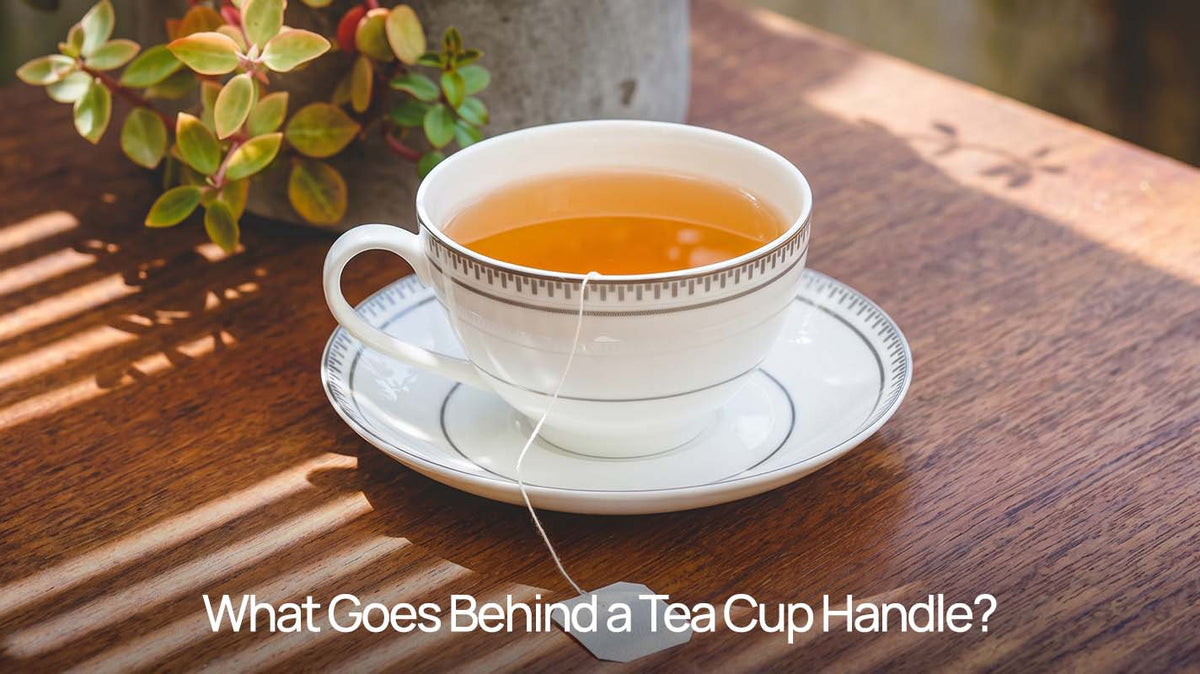
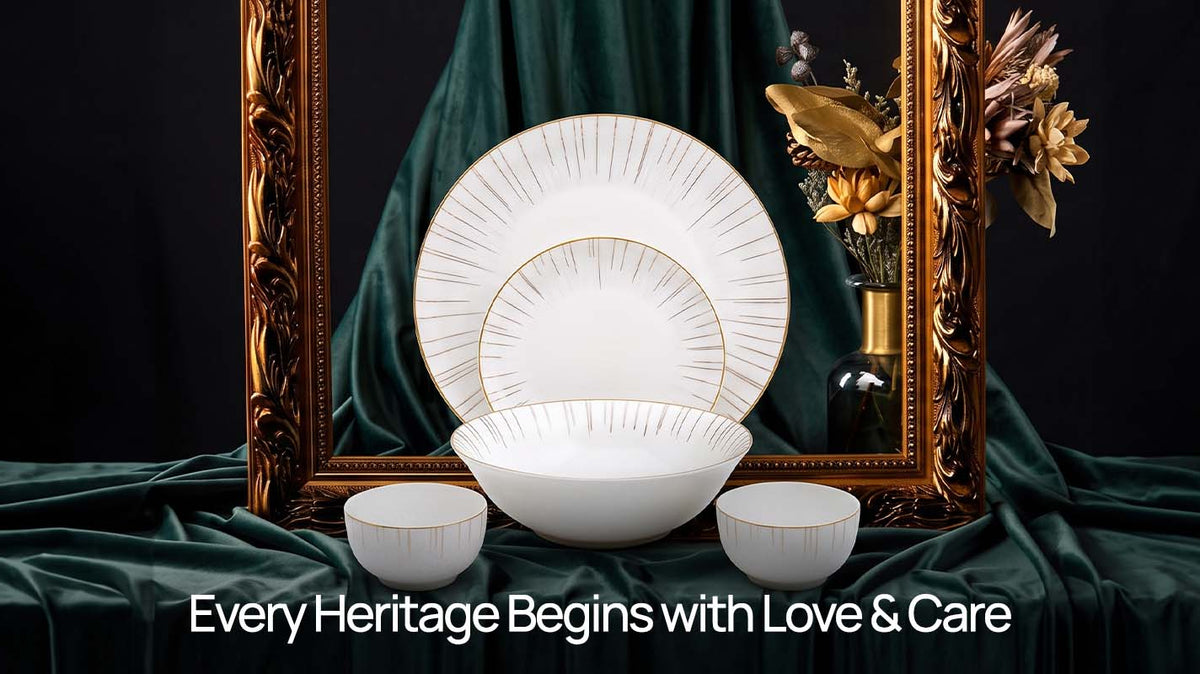
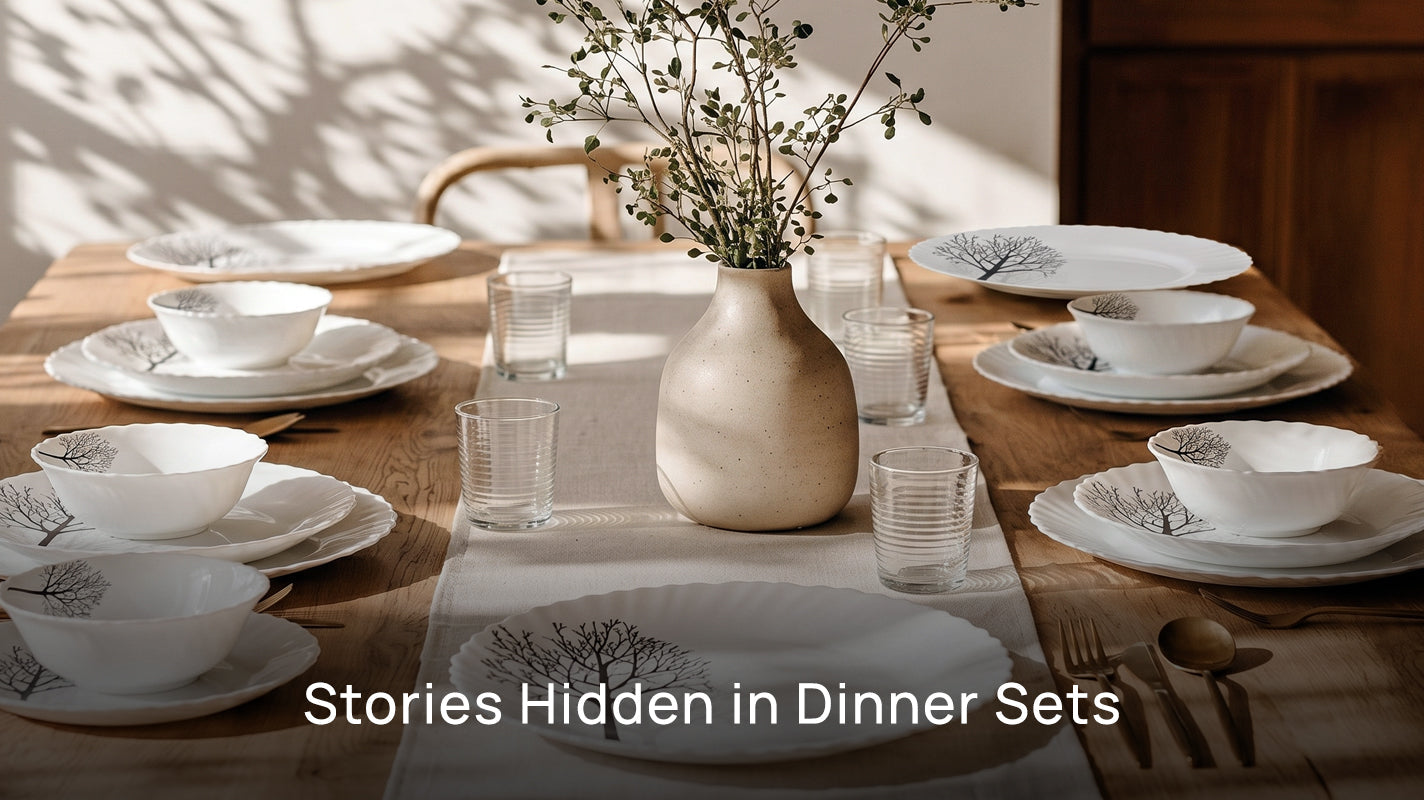
Ever locked your glance at the front of a shelf of gleaming dinnerware and thought why one dinner set is three times more expensive than an almost identical one? If yes, then you are also now an entity of one of the most popular debates in ceramics: ash-free bone china versus traditional bone china. Don't they sound like twins? But they are not. What if I tell you that one is a part of culinary heritage while the other comes as a much-awaited innovation? Once you know what differentiates them, you'll never shop for ceramic dinnerware sets the same way again, clueless and with just design-led perspective.
This blog piece breaks it down without gatekeeping any facts! So if you're a hard-core connoisseur or getting your first dining set (ever), you'll walk away learning exactly what you're paying for.
What Is Bone China Dinnerware?
The Actual Build

Bone china comes from the family of porcelain only...it is just further processed with clay with bone ash, usually from cattle. The bone ash is the secret sauce behind its signature USPs like a warm ivory-white glow, translucency, and a strength that lets pieces be made thinner than most other ceramics without becoming delicate. This is the reason why fine ceramic plates and tea cups sets from heritage brands feel weightless yet survive decades of routinal use.
But "bone china" isn't just one single formula. It's a umbrella, and where a piece falls on that umbrella determines whether it's labeled traditional, new, or ash-free.
How Much Bone Ash Does It Take to Be "Traditional"?
Traditional Bone China typically has around 40-50% bone ash, sometimes more, combined with kaolin (china clay) and feldspathic. This higher bone ash content is what contains the classic hallmarks which is what exactly the collectors chase: an unmistakable creamy-ivory tone, exceptional translucency, and a delicate "ring" when you tap the rim.
The trade-off? Traditional formulas are harder to fire consistently. More bone ash content makes the clay body more prone to warping and slumping in the kiln, which contributes a part of the fact that luxury dinnerware has historically been more expensive and, in many cases, made in smaller production runs by specialist manufacturers.
So What Makes Ash-free Bone China Different?

And the innovation is savoured here! Ash-free luxury dinnerware removes bone ash from the formula completely and engineers the clay body around materials like porcelain, stoneware, or bamboo fiber instead. The replacement is vegan and supports the sustainability standards. It's not a diluted version of bone china, it's a different engineering approach made from the ground up. However, in a lot of cases, manufacturers do depend on refined kaolin, feldspar, and, in some cases, plant-based binders to create a stable clay body that holds its shape through firing, resists warping, and comes out of the kiln genuinely more chip-resistant for everyday use.
The visual difference is where things get interesting. Ash-free pieces trade the warm ivory glow of bone china for a brighter, often crisper white, and translucency ranges from minimal to none depending on the material base. What you don't lose is the smooth, refined surface finish, a well-made ash-free plate can sit on the table next to bone china and hold its own, without a trace of animal byproduct in the mix. For anyone who has been tracking the rise of vegan premium tableware, this is the innovation that finally closes the gap between conscience and craftsmanship.
Which One Should You Actually Buy?
| Properties | Traditional Bone China | Ash-Free Dinnerware |
| Bone ash content | ~40-50% | 0% |
| Look & feel | Warm ivory, high translucency | Bright white to matte, varies by material |
| Durability | Delicate, chip-prone | Highly durable, often oven and dishwasher safe |
| Best for | Collectors, formal dining | Vegan households, sustainability-focused collectors |
| Material base | Bone ash, kaolin, feldspar | Porcelain, stoneware, or bamboo fiber |
You need the elegance of fine dinnerware without any animal-derived content. Think everyday ceramic bowls, casual dinner sets, or a busy household with kids, guests, and a dishwasher in near-constant rotation. Ash-free dinnerware offers durability, affordability, and a cruelty-free footprint, without abandoning the refined look that makes fine ceramics desirable in the first place. For most collectors buying today, this is increasingly the smarter default: you get the same table presence, better everyday resilience, and none of the ethical or sourcing questions that come with bone ash.
Traditional Bone China still has its place for pure heritage pieces but for anyone weighing the two on merit rather than nostalgia, ash-free is the direction the category is moving in, and for good reason.
How Can You Tell Them Apart When Shopping?
A few quick checks:
-
Hold it to the light.
Traditional Bone China usually shows more visible translucency at the rim. -
Check the weight.
Traditional pieces often feel marginally lighter for their size due to higher bone content. -
Read the label.
Reputable brands disclose bone ash percentage or clearly state “Ash-free bone china” or "Traditional Bone China." -
Compare price point.
As a general rule, traditional formulations command a premium due to production complexity.
The Bottom Line

Ash-Free and Traditional Bone China aren't enemies, they answer the same question differently: how do you make dinnerware that's both beautiful and durable?
Old-method leans into heritage and craftsmanship, and that history isn't fading. But the category's center of gravity has genuinely shifted. What began as a niche, ethical alternative has grown into a real contender, i.e. ash-free now offers innovation, resilience, and a vegan-friendly table without sacrificing elegance. It's no longer catching up; it's pulling ahead. Understanding this shift means you're not just buying ceramic platters or a bowls set, you're choosing luxury dinnerware that matches your values.
At Kairaus, a design-first brand that balances both- beauty and function, has brought in ash-free bone china dinnerware, cups and mugs making the consumers part of sustainable living. Explore the collection now!
Frequently Asked Questions:
What makes new bone china ash-free?
Unlike traditional bone china, which is made using animal bone ash, new bone china achieves its signature strength and warm ivory appearance through carefully selected natural minerals. This modern composition delivers a more conscious alternative.
Is ash-free new bone china durable?
Yes. New bone china is designed for everyday living. It offers an excellent balance of lightweight elegance and durability, making it more resistant to chipping than many delicate dinnerware materials while maintaining its refined feel.
Is new bone china microwave and dishwasher safe?
Most high-quality new bone china dinnerware is suitable for both microwave and dishwasher use. However, pieces with metallic detailing, such as gold or platinum accents, should never be used in a microwave.
How should I care for new bone china dinnerware?
Wash your dinnerware using a mild dishwashing liquid and a soft sponge to preserve its finish. When stacking plates or bowls, place a soft cloth, felt separator, or tissue between each piece to help prevent surface scratches.
Where can I find quality bone-ash free cups and mugs?
You can easily find cups and mugs made of ash-free bone china at Kairaus, a brand that focuses on blending sustainability with lifestyle.