"Tilgul ghya, ani goad-goad bola"
(Take these sesame sweets (tilgul), and speak sweetly)
The best thing about January is that it comes with all good vibes, celebratory enthusiasm, and newness. We aren't even over with the new year fever, and Makar Sankranti makes an entry with all the love. Celebrated with gratitude and josh on January 14th, this festival symbolises not only the transition of the sun to Makar Rashi (Capricorn) but also the shift in energy, warmth, and love within the Hindu tradition.
This festival is one of those Hindu festivals that follows the solar calendar, making it a reminder of nature’s power and punctuality. It is observed, that marking this day the days grow longer and brighter; celebrating which, every luxury tableware sets is filled with the aroma of sesame, jaggery, ghee, and freshly prepared festive dishes. But remember, this festive dining experience is not merely eating food, it is a ritual of cherishing bliss and positivity.
A festive tableware during the day should showcase respect for tradition while embracing refined aesthetics. So every detail, right from premium serveware to supporting accents like ceramic tissue holders matters a lot.
In this blog, we will learn how to create an astonishing festive dining experience, Makar Sankranti food rituals, and much more.
Significance of Makar Sankranti

The significance of Makar Sankranti stands unwavering in the chapters of Hindu tradition. It symbolises the end of winter solstice and the beginning of Uttarayan- the northward journey of the sun. According to traditional beliefs, this solar transition encourages the flow of prosperity, positivity, clarity, and renewed energy in one’s life. During this shift from inertia to activity, it is believed that the spiritual practices performed can leverage transformations. This is why a lot of Hindus perform Ganga-snaan, draw rangoli, and prepare meals with tradition.
Here are the key aspects of this beautiful festival:
- On this day, the sun enters Makar Rashi, making the days longer and brighter.
- The body begins embracing the increased warmth and renewed energy.
- This festive period, it is considered ideal to offer charity, prayers, and perform sacred rituals.
- On this day, people exchange Tilguls and other sweets to celebrate harmony.
- Foods prepared during Makar Sankranti help balance the body during climatic transition.
Here is a common list of foods to consume during this festival:
- Sesame seeds (til) to provide warmth
- Jaggery (gur) for energy and digestion
- Ghee and grains to nourish the body
- Peanuts and lentils for protein and strength
Serving these dishes with intention and care using festive tableware showcases the sacredness of the occasion.
How to Create a Festive Makar Sankranti Dining Experience

Preparing a memorable Makar Sankranti dining experience is not complicated; all it takes is planning, time, and intention. While preparing the festive dining set-up, it is very important to honour tradition through details. Remember, a well-adorned table becomes an extension of the rituals performed in the house. It whispers silently, “Party abhi baaki hain mere dost!!!”
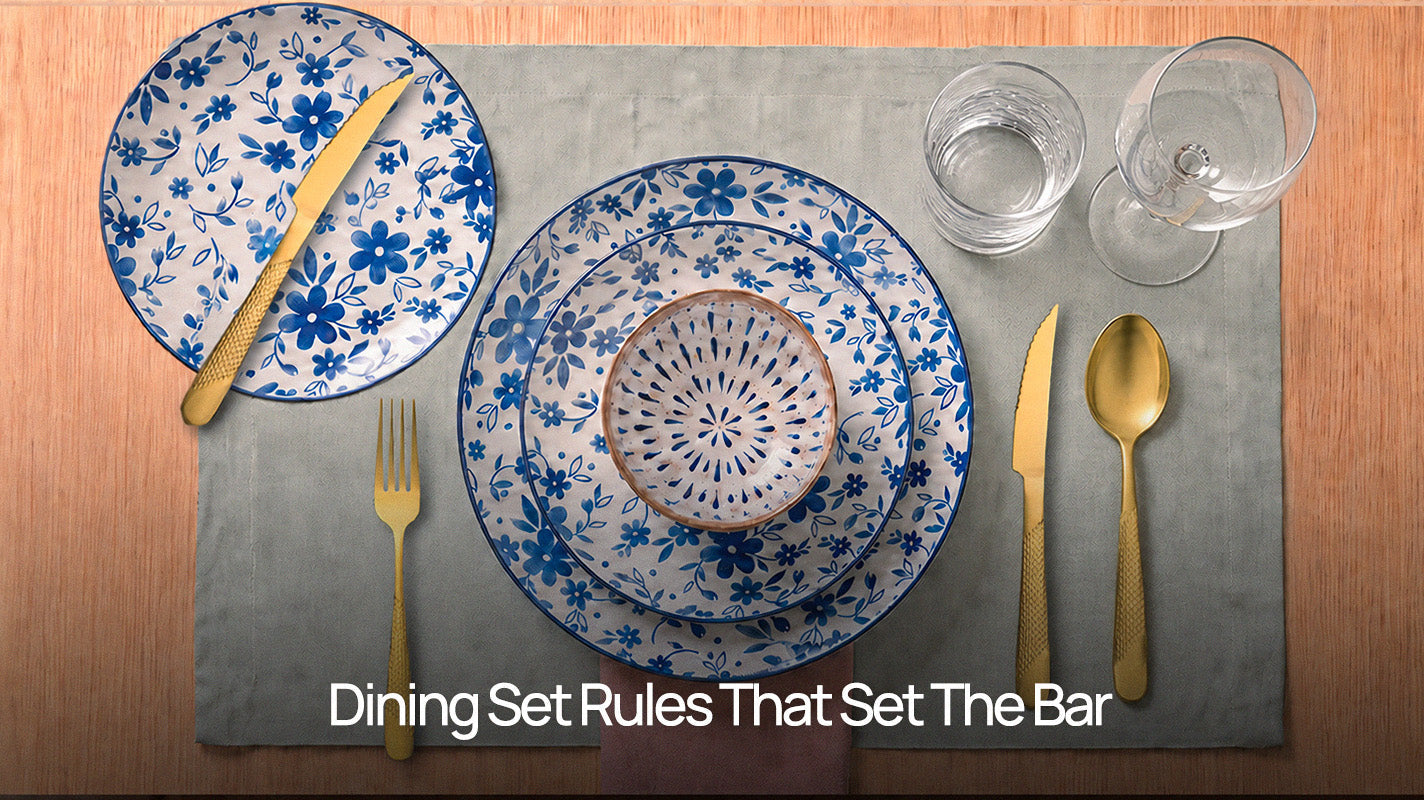
Commence with Thoughtful Table Setting
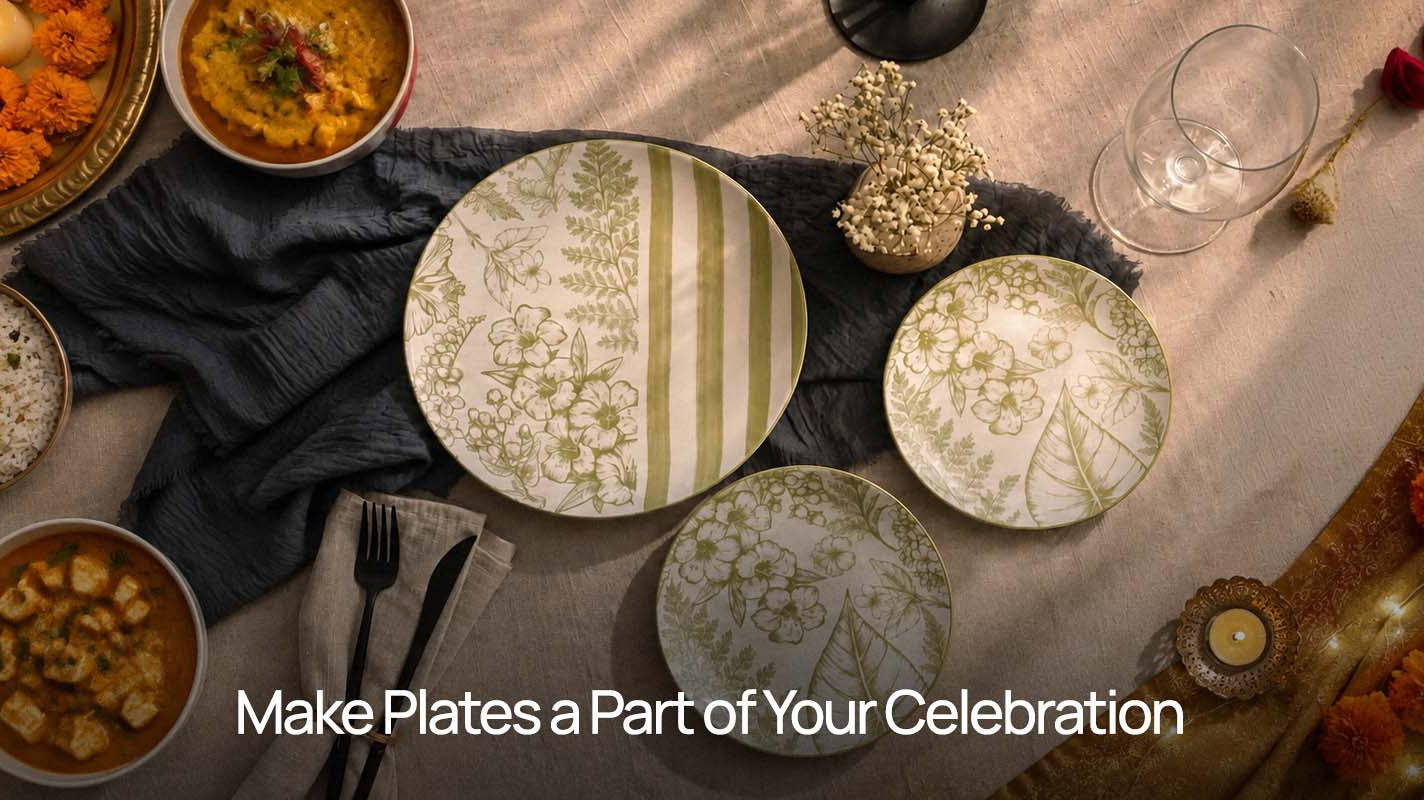
Because, there is no performance without the stage! And honestly, with careful choices of festive tableware like table linens and runners in warm and earthy hues such as gold and ivory, or condiment sets with mandala art and other impactful prints. To make the dining experience even more beautiful, try adding colours similar to jaggery, sesame, and harvest grains.
Before you start browsing for table linen online, remember to go for linens that are well-pressed or hand-beaded for added textures and detailed finishing. To add beautiful Hindu aesthetics, you can keep lotuses in decorative vases or even culinary carafes. If not lotus, you can also add seasonal blooms to bid adieu to winters with flowers like sunflowers, zinnias, marigolds, and hibiscus. You can also add fruit baskets or bowls as the table centrepiece.
Serve Traditional Foods with Premium Serveware
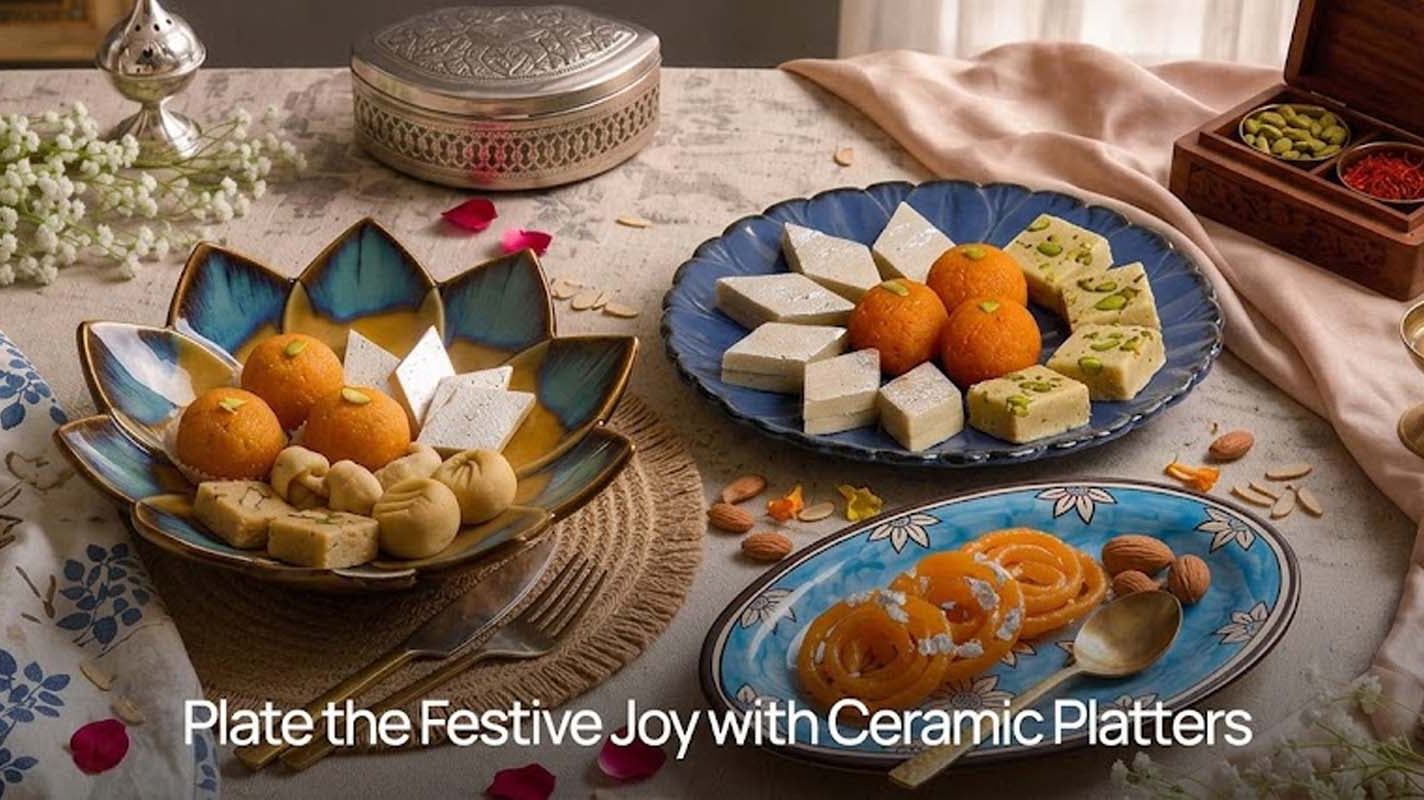
Although you can prepare a meal of your choice. But to add the splash of beautiful Hindu tradition, some signature Makar Sankranti dishes are tilgul laddoos, puran poli, khichdi, moong dal fritters, and sweets. It is very important to stage them with care, love, and platters that matches the renewal vibe. You can present these sweets nicely on well-designed wooden casseroles, ceramic platters, or glazed new bone china bowls. This will make your dining space look distinctive yet comforting.
For communal dinner settings, do not shy away from flexing those extremely beautiful patterned plates or intentional dining sets. These premium serveware with fine look, balanced proportions, and smooth finishes ensure that comfort and luxe-feel flow together, better. Kindly note that the ritual of serving food during a festival is considered an act of devotion and can be beautified with festive tableware and its thoughtful placement.
Add Refined Accessories to the Table
Obviously, the finishing touch is absolutely game-changing. Small details, especially in festive dining, create a lasting impression. Once you are done with organising festive serveware, it’s time to bring the look close with some details. A ceramic tissue holder placed at an accessible point on the table ensures practicality without disturbing the aesthetic flow.
But even if it’s just a tissue holder, it’s not a small deal. Luxury dining knows how to highlight every element on the table. Hence, select a unique tissue holder with handcrafted details that complements your luxury festive theme while remaining functional. Last but not least, do not forget to add festive decor, minimally, to the dining space. You can add mini kites, charkhis, typography posters with quotes like “Dheel dede re baba!,” “Happy Makar Sankranti!,” “Kai Po Che!,” and your personal festive codes too.
Final Thoughts
Makar Sankranti is not just a kite-festival; it holds an atmospheric significance and is tied through the knots of change, gratitude, and togetherness. Hence, from the sacred solar transition to the sweetness of the til and gur, every element carries meaning. By drawing a dining experience that is festive in spirit and nostalgic in tradition, you create moments that make the day complete and heartfelt; those rare family dining moments that end with a groupfie.
In this blog, we have shared a festive guide on how you can curate a dining experience with festive and luxury tableware. With detailing and festive decor add-ons, you can make your Sankranti table a reflection of abundance and care.
At Kairaus, we make your home perfectly celebratory with our festive tableware. So, what is the wait for? Explore the thoughtfully designed tableware and serveware collections from Kairaus, where tradition meets refined artisanship.
Happy Makar Sankranti!
Frequently Asked Questions:
Which food should we eat in Makar Sankranti?
The top 5 most famous foods that people like a ritual in Makar Sankranti are: Til laddoo, Gajak, Puran Poli, Sabudana vada, and Makara Chaula Kiri. You can serve them in platters or new bone china plates.
What food should we avoid in Makar Sankranti?
As we know, this festival holds a great significance in Hindu tradition; hence, do not refrain from consuming non-vegetarian food items, including onions, garlic, meat, and alcohol.
Which one is the most popular Makar Sankranti Dessert?
The most popular Makar Sankranti dessert is Tilgul or Til laddoo. Made with jaggery and sesame seeds, it is not only delicious but also serves as a source of warmth in winter.
Where can we buy luxury tableware for Makar Sankranti?
Apart from local shops, you can buy high-quality artisanal and hand-shaped luxury tableware at trending and trusted decor and dining brand, Kairaus.