Try picking up any food magazine that has ever existed, scroll through a chef's Instagram, or walk into a high-end restaurant...one thing we are sure about is that you will definitely find ceramic bowls everywhere. No, not mass-produced and of uniform kind, but the ones with slight texture on the rim, an uneven glaze that catches light differently from every angle, and a weight that just feels intentional in your hands.
That is not a coincidence. It is a deliberate choice made by people whose entire career depends on how food looks, feels, and is experienced.
If you want to know why professionals keep reaching for artisanal ceramic bowl sets and why that preference is literally reshaping how the rest of us think about our own dining sets, then dive into the blog and know the reason.
Why Professionals Choose Ceramic Bowls?
A Camera Loves True & Raw (Real)

Ask any food photographer what kills a shot and they will tell you: surfaces that are too clean, too reflective, too identical. Uniform factory-made bowl sets flatten a composition. They compete with the food instead of framing it.
Artisanal ceramic bowls do the opposite. The subtle variation in glaze gives the camera something to work with. Depth. Character. A visual story that says "this was made by someone, for something."
What makes a ceramic bowl a photographer's first pick:
- The uneven glaze reflects light in multiple directions, adding natural dimension to a flat image
- Earthy tones and matte finishes make food colors pop without filters or editing tricks
- Slight rim irregularities break the rigid geometry that makes styled shots look too perfect
- Handmade textures add tactile storytelling that digital audiences respond to instantly
Premium serveware built around handcrafted ceramics does not just hold food. It creates a context around it. And in food photography, context is everything.

How Stylists Make Ceramic Bowl Sets Seen?
Food Stylists Think in Full Tables, Not Single Pieces

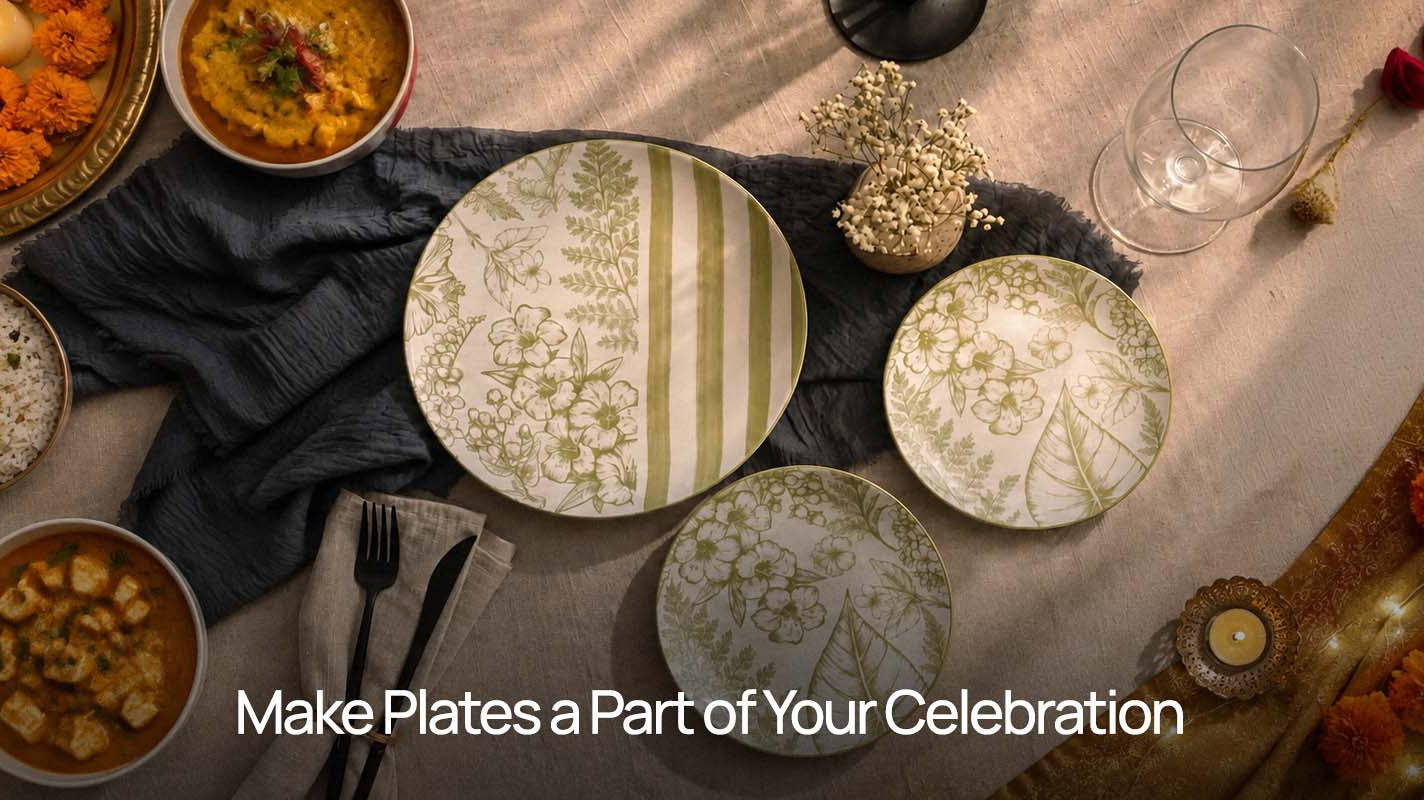
A food stylist's job is to make an entire scene feel real and considered, not staged. That means every element on that table needs to feel like it belongs together. Premium serveware that share a clay body, a glaze family, or even just a subtle color story create that visual harmony without looking frustratingly competitive.
This is the exact point where the artisanal ceramic bowl sets outperform anything mass-produced. You see, they are made in small batches, there is natural tonal variation between pieces, which makes them look more cohesive on camera than perfectly identical factory pieces ever could.
How stylists typically build a table around ceramic bowls:
- Start with a central ceramic platter as the anchor piece
- Layer in ceramic plates and bowl sets in tonal variations of the same glaze family
- Add linen or raw cotton napkins to echo the organic texture of the clay
- Use dining sets that mix sizes rather than matching everything identically
What Chefs Love Most About Premium Serveware?
Chefs Think About Temperature, Weight, and Presence
For a working chef, a ceramic bowl in the dining set is not decor. It is a tool. Ceramic bowls, specifically thick-walled, kiln-fired artisanal ones, bring functional advantages that directly affect how food is served and experienced.
Ceramic retains heat. A properly fired ceramic bowl keeps a risotto or ramen warm from kitchen pass to table in a way thinner materials simply do not. That is not a small thing when you have spent two hours building flavor in that dish.
There is also the weight. A substantial bowl communicates something to a diner before they have taken a single bite. It signals care. It slows the experience down. In luxury serveware circles, this is called "table presence."
Reasons chefs specifically prefer artisanal ceramic bowls over standard options:
- Heat retention keeps dishes at the right temperature longer during service
- Heavier bowls stay stable on the table, which matters during a multi-course meal
- Unique glaze finishes become part of the dish's visual identity and plating story
- Pairing ceramic bowls with matching dining plates and ceramic platters builds a cohesive restaurant aesthetic
How Ceramic Bowls Stand Apart from Other Luxury Serveware?
The Imperfection Is Actually the Point

There is a Japanese philosophy called wabi-sabi, which is about finding beauty in things that are imperfect, impermanent, and incomplete. Artisanal ceramics premium serveware are one of its most visible modern expressions.
A bowl where you can faintly see the fingerprint of the potter. A glaze that pooled slightly at the base. A lip that is 2mm thicker on one side. These are not flaws. To a photographer, stylist, or chef, these are the details that make a piece feel real in a world increasingly full of things that do not.
This is also why bowl sets built from hand-thrown ceramics photograph better, style easier, and feel more meaningful on a restaurant table than anything stamped out of a mold at scale.
Final Note
What it says in the dining table
Dining stories do not need to be perfect; they just need to be yours. You do not need to be shooting for a food magazine to care about what your dining sets feels like. The same qualities that make professionals reach for artisanal ceramic bowls like warmth, texture, weight, and visual depth have an impact on how a meal feels at home. The end rule is a piece that looks beautiful on the table, making the act of sitting down feel like something worth doing.
That is what great ceramic bowls have always been about. Not the trend. Not the aesthetic. The simple idea that the things we eat deserve the same thought as the food we put in them.

Frequently Asked Questions:
Ceramic bowls vs porcelain bowls, which is better to buy?
If you are looking for budget friendly, artistic, and durable option, than ceramic bowls are the perfect choice for your tableware collection.
What to consider while buying premium serveware?
Consider material, durability, design, size, functionality, and ease of maintenance. Choose serveware that complements your dining style and lasts for years.
How to remove stains from ceramic bowls?
Make a paste of baking soda and water, gently scrub stains, rinse thoroughly, and avoid abrasive cleaners to preserve the glaze.
What are the best serveware for ramen?
Deep ceramic bowls are ideal for ramen. They retain heat well, accommodate broth and toppings comfortably, and enhance the dining experience.