This year, Raksha Bandhan is falling on August 28, and if your home is anything like most Indian households, the day will bring sweets, rituals, visiting relatives, and a table groaning under the weight of a proper family meal. Somewhere between the rakhi ceremony and the second helping of kheer, someone is going to hand you a plate.
Here's a question worth asking before that day arrives: is that plate actually built for what you're serving?
Most of us pick dinner plates because they're pretty, because they match the rest of the crockery, or because the finish looks nice under lights. Fair enough. But an Indian festive spread is rarely one tidy dish sitting alone in the middle of a plate. It's dal, a couple of vegetables, a rich gravy, some pulao, rotis, a chutney or two, and sweets, often all showing up at once. Your plate needs to hold that meal, not just look good doing nothing.
That's really what choosing the right dinner plates comes down to. Less about how they photograph, more about how you actually eat.
How to Choose Perfect Dinner Plate for Festive Meal?
The easiest conclusion of the discussion is to let the food decide the plate, not the other way around. A gorgeous plate can still be the wrong plate for your table.
Picture a typical festive thali. several dishes need their own space so the gravy doesn't wander into the rice and the rice doesn't wander into the roti. A flat dinner plate with barely any rim looks sleek in a photo, but it struggles the moment you add curry and rice side by side. A ceramic dinner set with more surface area and a proper rim, on the other hand, gives every dish room to sit without spilling into its neighbour, and it still looks composed on the table.
The takeaway is simple: build your plate collection around what you actually cook and serve, especially when guests are coming over.
1. Gravies Need a Rim, Not Just a Surface
Festive Indian food leans heavily on curries and gravies. Shahi paneer, dal makhani, kadhi, a seasonal sabzi in gravy. All of these need a bit of containment or they'll run straight to the edge.
Look for dinner plates with a defined or slightly raised rim. It makes serving less messy and keeps the gravy where it belongs.
This is where ceramic plates genuinely earn their keep. They have a certain weight and warmth to them, and they work just as well on a Tuesday as they do on a festival day.
2. Rice and Rotis Need Actual Room
Biryani, pulao, jeera rice, and rotis take up more space than people expect. A plate that looks generous sitting empty on a shelf can suddenly feel tight once you've piled on rice, curry, a roti, and a side or two.
So instead of judging a plate purely by how big it looks, think about how much food it actually needs to hold. Kairaus, for instance, stocks porcelain dining plates in a 10.8-inch size for full meals, alongside smaller 7.8-inch quarter plates meant for lighter portions. That size difference matters more than people realise. Out of your dining set, the main dining plate should carry the meal itself, while a quarter plate is better suited to starters, snacks, or dessert.

3. Stop Asking One Plate to Do Everything
A common mistake is piling the entire meal onto a single dinner plate and hoping for the best.
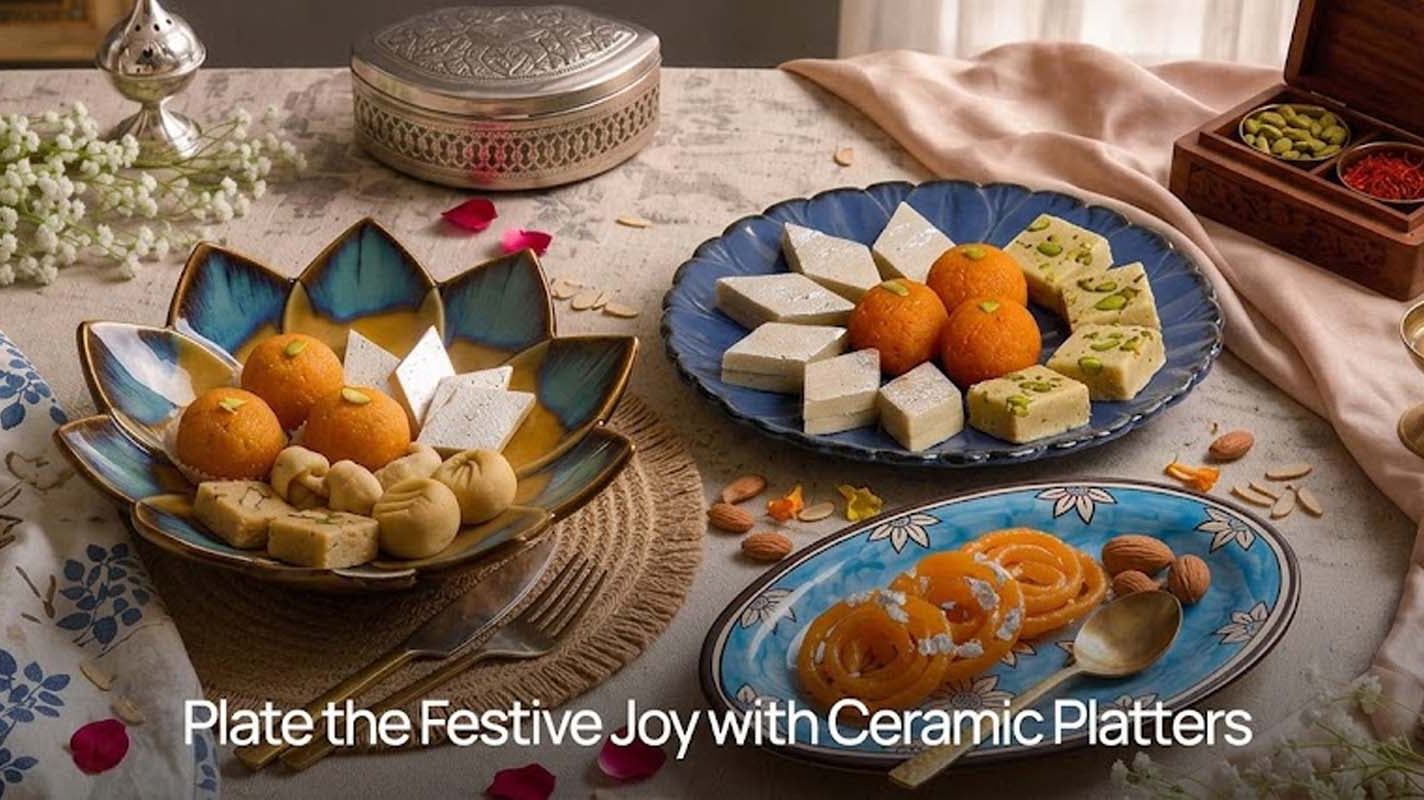
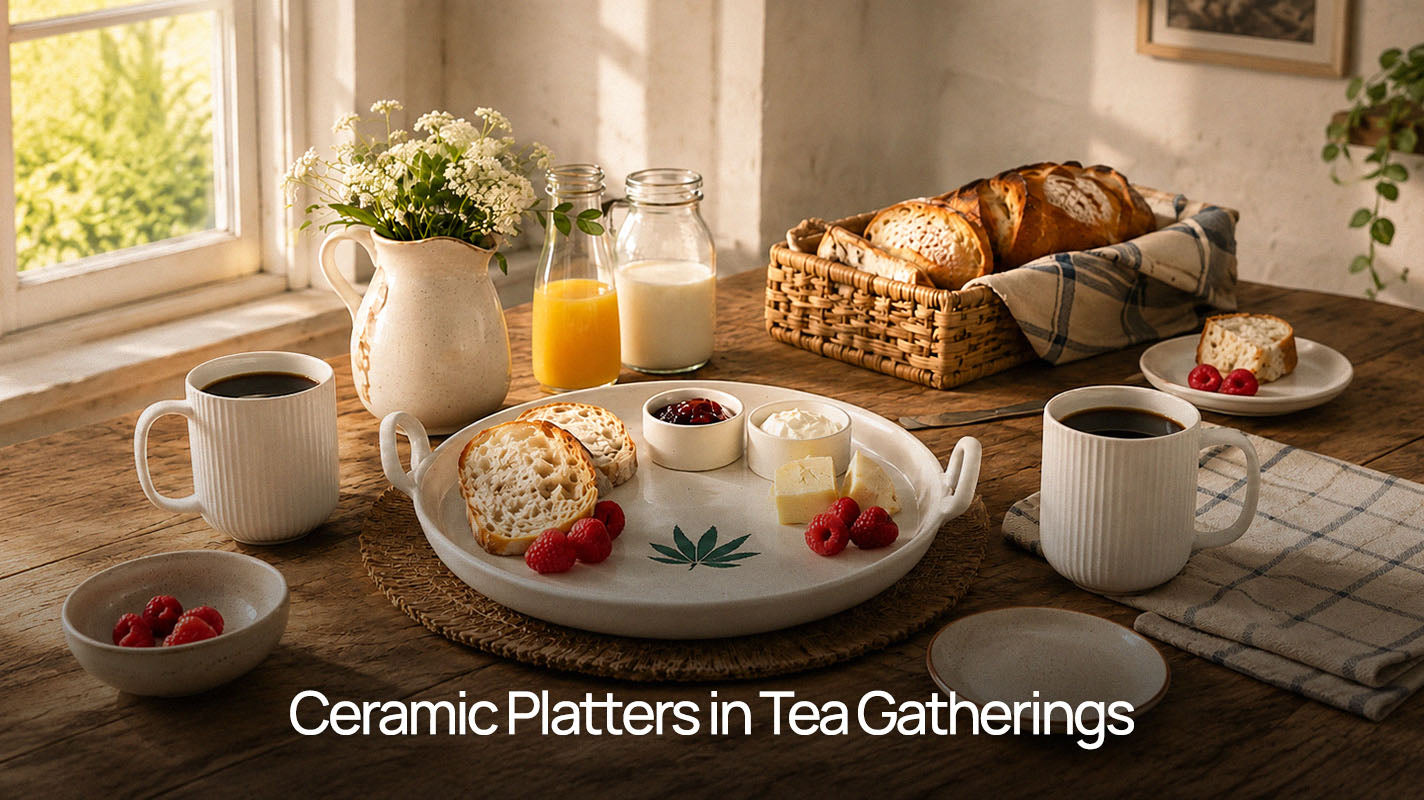
A well-set table works better when different pieces take on different jobs. Keep ceramic bowls for dal, raita, or anything with more liquid. Bring in a set of bowls when you're serving several accompaniments separately. Use ceramic platters with bowl sets for anything shared, like starters, breads, or snacks.
This matters even more during Raksha Bandhan, when a meal can drift from sweets and snacks in the afternoon to a full family lunch or dinner later on.
4. The Table Needs More Than Just Dinner Plates
Festive dining isn't only about what's in front of each person. It's also about what everyone reaches into together.
A platter of kebabs in the centre, a ceramic bowl of raita passed around, a big dish of pulao, a tray of sweets doing the rounds. These are what actually make a table feel festive. Ceramic platters and wooden trays do a lot of work here, bringing shared food into the centre without crowding anyone's individual plate.

5. Pick Materials That Suit the Occasion
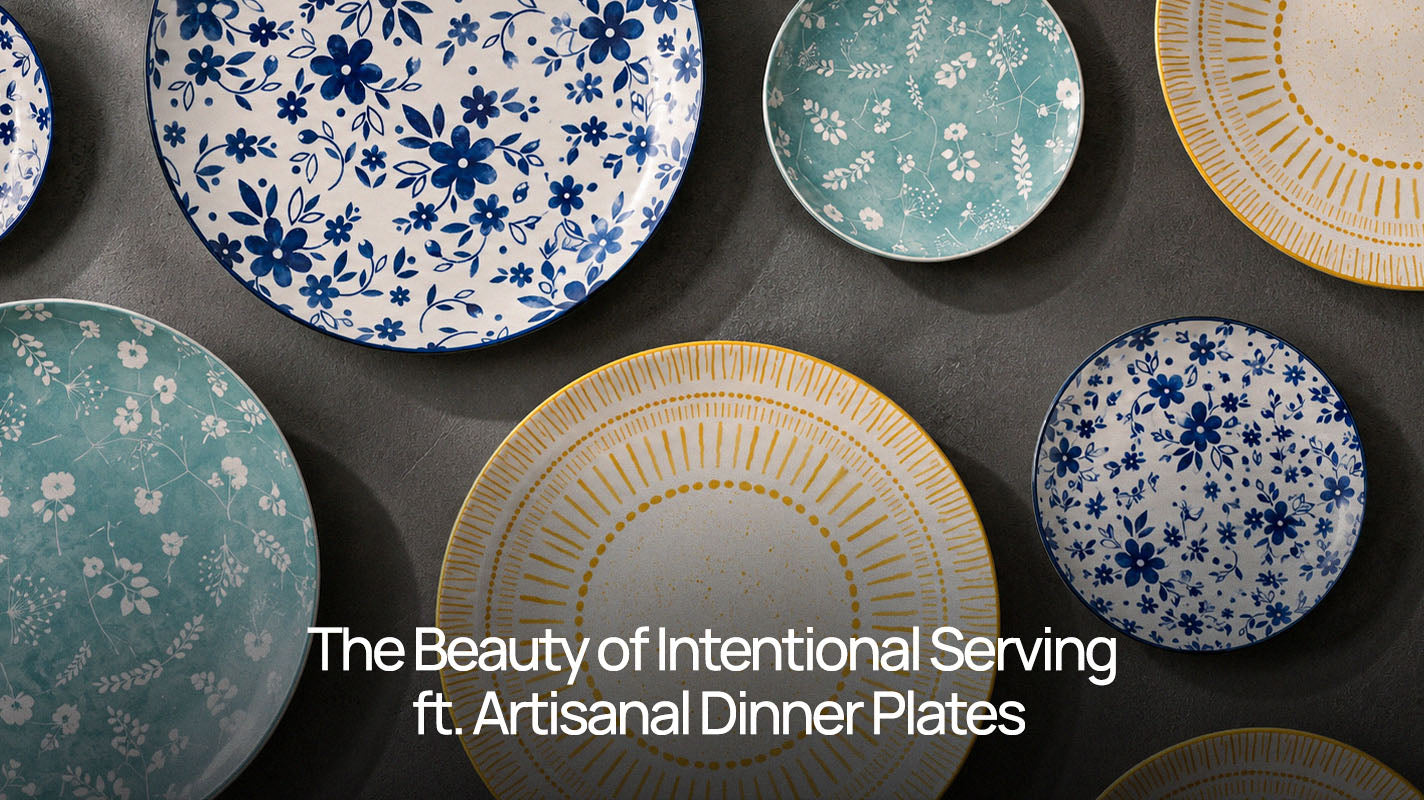
Material changes the feel of a table more than most people give it credit for. Porcelain has a refined, polished look. Ceramic feels warmer and a little more handmade. Kairaus' dinner plate range includes ceramic, porcelain, and bone china, split across dinner, quarter, and starter categories, so you're not stuck picking one finish for every occasion.
If you're building a collection from scratch, that kind of variety is usually more useful than one elaborate set that only comes out twice a year. A good ceramic dinner set should feel just as natural on an ordinary evening as it does on Raksha Bandhan.
6. Build the Set in Layers, Not All at Once
The best dining sets rarely come from trying to match everything perfectly in one go.
Start with your dinner plates. Add quarter plates for starters or dessert. Bring in ceramic bowls for gravies and sides. Add platters and trays for anything shared. Round it off with a proper cutlery set.
Kairaus organises its own dining plate collection this way too, across dinner plates, quarter plates, pasta plates, and serving pieces, which makes it easier to shop for what you're actually missing instead of buying a whole matching set you don't need.
7. Buy Plates You'll Still Want After the Festival Ends
It's tempting to buy something dramatic that looks perfect for one celebration and then sits in the cabinet for the rest of the year.
A better approach is picking pieces that move easily between occasions. A solid set of ceramic dinnerware set or porcelain dining plates should work for a Sunday lunch, a weekday dinner, and a festive gathering, without feeling out of place in any of them.

Final Note
The next time you shop for dinner plates, do not begin with the question, “Which one looks the prettiest?”
Ask instead:
What do I usually serve? How much space does the meal need? Which dishes require bowls? What needs to be shared? And will I still want to use these plates when the celebration is over?
For Raksha Bandhan, the table is an extension of the celebration itself. The sweets, the family recipes, the familiar dishes and the people gathered around them all deserve tableware that works with the occasion.
Because the most beautiful festive table is not necessarily the one with the most elaborate plates.
It is the one where the plates understand the food.
Explore Kairaus' festive gifts collection that has unconventional dinner plates to find pieces designed for everyday meals, shared gatherings and festive tables alike.
Frequently Asked Questions:
How do I choose the right dinner plates for a festive meal?
Start with the food you plan to serve. Indian festive meals often include gravies, rice, breads, vegetables, snacks and accompaniments, so choose dinner plates with enough surface area and a practical rim.
Are ceramic plates suitable for festive dining?
Yes. Ceramic plates can work beautifully for both everyday dining and festive occasions. They offer a substantial feel and are available in a wide range of shapes, finishes and designs.
What is the difference between dinner plates and dining plates?
The terms are often used interchangeably. A dinner plate generally refers to the main plate used for a meal, while “dining plate” can be used more broadly for plates used as part of a dining setting. The important consideration is the plate's size, shape and suitability for the food being served.
Do I need ceramic bowls with my dinner plates?
For Indian meals, ceramic bowls can be particularly useful for dals, curries, raita and other preparations with sauces or liquids. Using bowls alongside dinner plates also prevents the main plate from becoming overcrowded.
What other tableware should I pair with dinner plates for Raksha Bandhan?
For a complete festive setting, consider ceramic bowls for accompaniments, ceramic platters for shared dishes, smaller plates for starters or desserts, wooden trays for serving and coordinated cutlery sets.